Long Term Food Storage When the Freezer Starts to Drip
Fill the pantry with food that keeps for years: the old-time methods shown in the video.
Watch the full video walkthroughDay three of the outage, the freezer is dripping and the meat in it is on a clock. The store shelves are picked over. Whatever is still cold gets eaten or saved today, and after that you cook from the cupboard. Long term food storage is the shelf that was ready for that morning: old-time foods people made and kept for years, at room temperature, in jars, fat, smoke, and salt.
The Lost SuperFoods is the guide to those foods. The guide says it holds 126 forgotten survival foods and storage methods, step by step, with color pictures. Each food comes with its nutritional values, so you can see the fat, carbs, and protein on the shelf. The aim is a household stocked for 3 months, 6 months, or a full year.
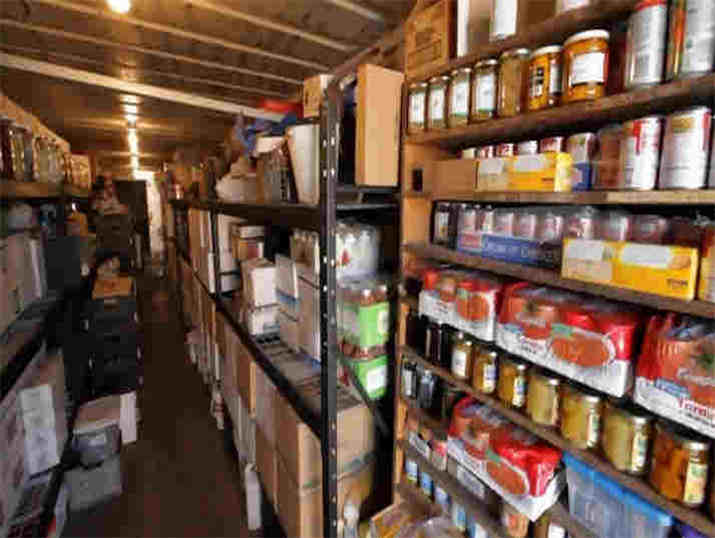
A working pantry. Tap to watch the video walkthrough.
Save the meat while it is still cold
That dripping freezer is where the guide starts. The guide says households throw out hundreds of pounds of meat in a blackout once the cold is gone, and it shows what to do with the thaw the same day. Can the ground beef so a familiar meal is still on the shelf later. Cube the meat, cook it, and sink it under honey in a canning jar. The guide says honey pulls the last moisture out and keeps the jar stable. Hang thin slabs over a dead fire so the leftover heat and smoke dry them, then vacuum-seal. The guide says that sealed smoked meat holds for two years at room temperature. Amish Poor Man’s Steak is the pantry dish they stocked for a few years.
Pemmican is the calorie food Native cooks built to live on: dried meat pounded fine, mixed with melted fat and berries. A pound carries over 3,500 calories. The guide says it holds from a few years to a few decades in the right conditions, and treats it as a complete food. The Depression food sits in lard for about two years, and the lard still cooks, makes soap, treats burns, or fills in as fat. The Civil War food in the guide is long-lasting too, made from something most people throw out.
Keep bread, soup, and a day’s calories on the shelf
After the meat is in jars, the daily food is next. Potato yeast in the guide keeps bread, rolls, crackers, and biscuits coming after the store packet is gone. Lewis and Clark carried portable pocket soup that sat in a coat pocket in the heat. The Cold War Doomsday Ration is the military superfood the guide says was developed to feed people in the harshest conditions. The guide says a home batch is light enough for a bug-out bag, and that stored right it keeps. A separate life bar packs over 2,400 calories into one serving, from ingredients that keep for years.
Beans and rice usually give you about a year, and a plastic bin lets weevils in. Dry canning is the fix: a glass canning jar and an oven at 200 degrees. The guide says that method, with the other old ones, can stretch some foods for a couple of decades. Salt on cabbage starts a ferment and turns it into sauerkraut, a living food beside the jars. The guide says a wartime method kept eggs fresh for a decade after the power failed, and that aaruul, a hard cheese from curdled milk, dried in the sun or a home oven, traveled with Mongolian riders for the long haul.
Fill the pantry from your own kitchen
A full shelf can come from foods you make, so you know what went in the jar and you still have the method the next time the power drops. The guide says one system puts away more than 295 pounds of food in a year from a small weekly set-aside. A DIY food bucket is in the guide, along with canning for vegetables and meat on a hold the guide puts at 20 years, how food goes rancid, and the canning mistakes that wreck a batch. Wild foods and the 50 best foods to dehydrate sit in the same pages if the shelf needs more than the store.
Cook a normal week from the jars
A week from this shelf is pemmican or the ration when you need calories and a cold stove, canned beef or Poor Man’s Steak when you want a plate, sauerkraut beside it, pocket soup on a long day, eggs held the old way. Ordinary meals from a wartime kitchen and a Depression kitchen, with the steps pictured. You cook from a plan, in your own pantry.
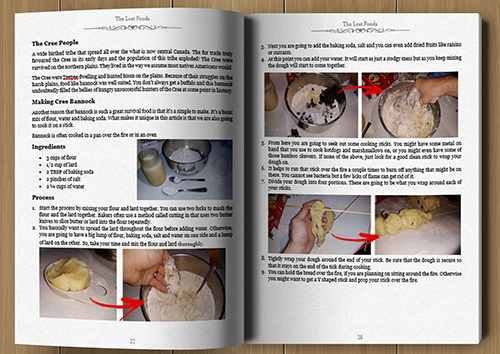
A page from the guide. Tap to watch the video walkthrough.
What you get
The Lost SuperFoods is the guide: 126 foods and preservation methods, color pictures, nutritional values, and the old storage work from the Depression, the wars, pioneer trails, and Amish kitchens. Two extra reports come with it: a buried year-round greenhouse, and self-reliance projects from 1900.
Three months from now the shelf is jars you filled, and the freezer is a bonus instead of the plan. Salt a cabbage this week. That is the first batch, and it keeps at room temperature.
Day three looks different if the meat is already in jars and the bread can still be baked. The video walkthrough shows the foods and the methods.
See the full video walkthrough
FAQ
What is long term food storage in this guide?
The guide says it is pemmican, the Cold War ration, lard-packed Depression food, canned meat, dry-canned staples, eggs held for years, hard cheese, honey-packed meat, and smoked meat, all kept at room temperature.
Do these foods need a fridge?
The guide says they keep at room temperature. Dry canning, curing, fermenting, honey, smoke, and fat packing take the place of the cold box.
What do you get with The Lost SuperFoods?
The guide says you get 126 forgotten survival foods and storage methods, step by step with color pictures and nutritional values, plus two bonus reports. The video walkthrough opens the offer.